

mouse click the next site of Electric Stoves
Many homeowners opt for gas stoves since they give their kitchens a professional look. But if you live in an area that does not have a natural gas line, an electric stove can be a good alternative.
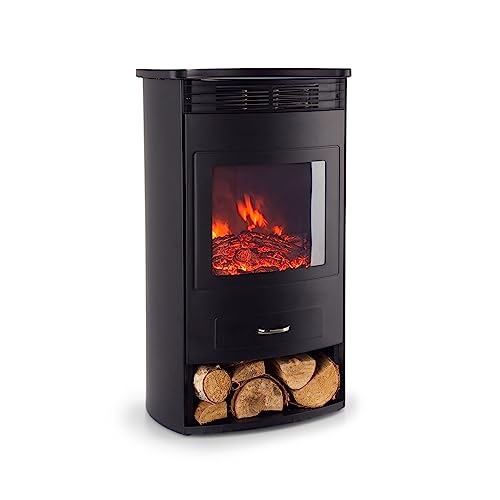
Electric stoves (also called ranges) utilize 240-volt outlets in order to generate heat that is used to cook food. Coil-top stoves have exposed metal coils; glass-top models make use of heating elements on an uniform, flat surface of ceramic.
Types
Electric stoves come in a variety of styles. Electric stoves are available in a variety of designs. They can be freestanding with burners above and an oven below or flat-top models that have only burners on the cooktop. Induction stoves use magnetic fields and smooth glass or ceramic surfaces to heat pans directly. They can also have exposed coils. All three types of electric ranges are very similar. Each type has its own unique pros and cons that you should be aware of when selecting the best one for your home.
Coil-top stoves feature exposed metal coils that are powered by 120 Volts of electricity to create heat for cooking. The coils release heat to the hotplates made of iron where the cookware is placed. Early models used heating coils that were resistive, however newer models have composite elements with resistive wires enclosed in hollow metal tubes stuffed with magnesite to support and distribute the heat more evenly.
These stoves can be robust and efficient, but they can be more difficult to maintain than models with a radiant-top or glass. Food particles can easily get stuck in the drip pans and coils and hotplates may be damaged by pots that are dropped on them, or from spills that are not cleaned up immediately.
The electric stoves that have a coil-top come with a major drawback that is that the heating element may take a couple of minutes to reach its maximum temperature after having been turned on. This can delay cooking time and increase the possibility of cooking a pot that is overcooked if the burner remains on even after it's been turned off. Coils can also stay warm for a long time after the burners have been turned off, increasing the risk of burning in the event that you touch the stove surface when it's still warm.
Gas stoves are a longtime fixture in many kitchens, and they provide instant heat and better temperature control than electric models. Gas stoves can be expensive to run in homes without natural gas lines and are dangerous in the event that they are not properly ventilated. Additionally, studies have found a link between the emissions of gases from gas stoves to asthma in children and more stringent regulations are likely to require the switch to electric stoves in the near time.
Safety
Stoves can be one of the most dangerous appliances in your home if they are not used in a safe manner. If you are thinking of installing an electric stove, you need to know how the appliance functions and what safety precautions should be taken to prevent fires or accidents.
Electric stoves employ coils to cook food using electricity, which is much safer than gas since there is no open flame. However, electric stoves need to be monitored closely as they can burn when the temperature is too high or there are loose connections. The best way to avoid this is to ensure that the knobs are turned off before leaving the room. Also, make use of a thermometer for cooking to monitor the temperature of your food.
A lot of electric stoves are able to detect that the burners are turned on, which helps to avoid burns and accidents. If your stove is equipped with this feature, it will either beep or flash a warning message if it is accidentally switched on or left on. This is particularly helpful for those who live alone or have cognitive issues that may forget to turn off the stove.
Pets and children are also at risk of burn or fire if they use an electric stove. There are a myriad of third-party products to keep your family safe. They include locking knob covers for stoves, strap locks for the oven door and knob covers that lock.
If you're concerned about the environment you can buy a stove which uses renewable energy or comes with an Energy Star rating. These stoves are typically more expensive than standard ones, but can save you money over time by using less power.
When cleaning your stove, it is essential to check for any damage or rust to the surface. In addition, it is an ideal idea to clean behind the stove and inside the oven from time to time to ensure that dust and debris don't build up. In addition, it's a good idea to clean the filter on a regular basis to reduce the amount of dust in the air.
Cooking
Contrary to gas stoves that utilize an electric flame to heat cookware, electric stoves usually utilize a heating element under the burner. The hot element is surrounded by a ceramic surface that transfers heat to the cookware which cooks the food. Electric stoves typically have more heat settings and permit users to manage the cooking process.
There are a few quirks you should be aware of when using an electrical stove. For instance, it may take longer for the pan to reach the desired temperature than other stoves. This could cause issues for recipes that require precise cooking times. To prevent this from happening issue, it's a good idea to move the pan to another burner when the desired temperature has been attained or to reduce the heat setting when it is.
It's also crucial to know which cookware is best for electric stoves. Metal pots and pans that conduct heat efficiently are advised, as are flat-bottomed vessels. Avoid using round metal pots and woks because they could cause uneven heating. Glass and ceramic cookware is susceptible to damage from high temperatures, so it is not recommended you use these cookwares on electric stoves.
The heating element of an electric stove will come off and on during the cooking process. According to LG and GE the reason for this is to regulate the temperature and to prevent overheating. This is more apparent at low temperatures, but can happen even when the burners are fully on. It can be an inconvenience but should not significantly impact the cooking process.
Electric stoves are less polluting than gas stoves. Gas stoves release harmful air pollutants like nitrogen oxide (NOx) which has been associated with asthma in children and may negatively affect the health of the heart and brain development. However electric stoves make use of energy from renewable sources, which can help reduce the environmental impact of cooking. Electric stoves are becoming more popular with cooks at home and are used to replace gas appliances in new homes, or for remodeling projects.
Installation
Electric stoves are commonly referred to as ranges and are powered either with natural gas or electricity. Electric stoves can be either a stovetop or a combination stovetop/oven. Electric stoves can be set up inside homes without a dedicated gas line but in some instances a professional might need to install gas lines in order for the stove to work effectively. It is crucial to follow the instructions of the manufacturer and any local codes, whether you are installing an electric stove or changing from one.
Before you begin working on any electrical wiring in your home, ensure that the breakers for your electric stove is switched off to prevent overloading and fire dangers. It's recommended to use a voltage detector to ensure that the outlet that will be used by your stove has the proper amps and volts needed by the model you choose. Depending on the total wattage of the stove the 250-volt circuit and an outlet with a 40-50 amp capacity are typically required for stable operation. The full installation instructions will usually include a diagram to assist you in determining what the minimum requirements are for your model.
Electric stoves use heating elements to cook the food. The coils of metal are surrounded by the glass or ceramic surface that allows heat to flow through to the food. Electric stoves have extremely precise temperature settings, which makes them ideal for those who love cooking with precision. Electric stoves are also a popular choice for people who don't want to deal with the mess and cleanup that comes with a gas stove or are concerned about potential leaks in their kitchen.
A professional should always be consulted for any plumbing or electrical work that is being done in your home, especially when it involves high volts or gas lines. A small mistake can cause serious injury or death. An electrician with a license can safely and quickly install or repair an electric stove or any other kitchen appliance. They can also provide suggestions on the best stove for your needs, and help you find any rebates that are available.